Why Tree Pruning Is Essential for Augusta's Fast-Growing Trees

April 14, 2026

Augusta's warm climate, humid summers, and rich soil create ideal growing conditions for trees. While that's great for shade, curb appeal, and property value, it also means many of the trees on your property grow faster—and larger—than homeowners expect. Without regular pruning, that rapid growth can quickly turn into a liability.

Tree pruning isn't just about appearance. It's a critical part of keeping your trees healthy, safe, and structurally sound. In this guide, we'll explain why pruning matters so much for Augusta's fast-growing trees, what proper pruning looks like, and how to know when it's time to call a professional.

Why Augusta's Trees Grow So Fast

Several factors combine to make Augusta one of the more aggressive growing environments in the Southeast:

  • Long growing season: Augusta enjoys mild winters and extended warm weather, giving trees more months of active growth each year.
  • High humidity and rainfall: Trees receive ample moisture, fueling rapid limb and canopy expansion.
  • Fertile soil in many areas: Established neighborhoods often have soil rich in organic matter from decades of leaf litter and mulch.
  • Common fast-growing species: Pines, sweetgums, water oaks, river birch, and tulip poplars are widespread in Augusta and known for quick growth.

Fast growth is a double-edged sword. Trees fill in beautifully, but they also outgrow their space, develop weak branch attachments, and become more vulnerable to storms when not properly maintained.

The Real Benefits of Regular Tree Pruning

Pruning is one of the most effective forms of long-term tree care. Done correctly, it pays off in multiple ways.

1. Stronger, Safer Structure

Young and fast-growing trees often develop multiple competing leaders, crossing branches, and weak unions. Strategic pruning during the early years shapes the tree for long-term stability, reducing the chances of major limb failure later on.

2. Reduced Storm Damage

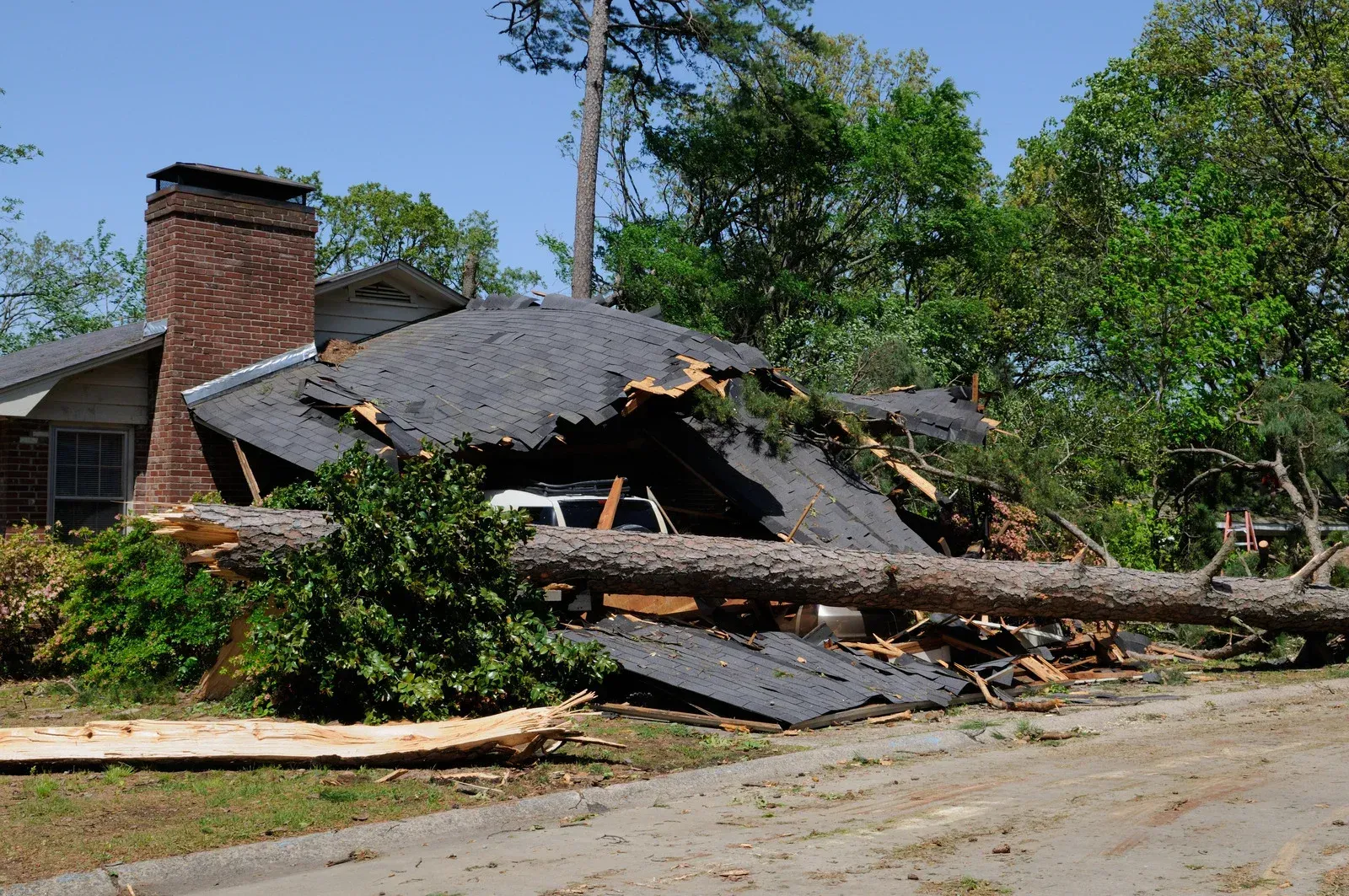
Augusta sees its share of thunderstorms, high winds, and tropical systems. Pruned trees with balanced canopies allow wind to move through rather than acting as a sail. This significantly reduces the risk of broken limbs, uprooting, and falling trees during severe weather.

3. Better Tree Health

Removing dead, diseased, or damaged branches prevents the spread of pests and pathogens. Pruning also improves air circulation and sunlight penetration throughout the canopy, which is especially important in Augusta's humid climate where fungal diseases thrive.

4. Improved Appearance and Property Value

A well-pruned tree enhances your landscape and curb appeal. For homeowners thinking about selling, healthy mature trees can add meaningful value to a property—but only if they look cared for and don't appear hazardous.

5. Protection for Your Home and Property

Overgrown branches that touch roofs, hang over driveways, or rub against siding cause damage over time. Pruning keeps trees a safe distance from structures, gutters, power lines, and walkways.

6. Encourages Healthy New Growth

Targeted pruning stimulates new growth in the right places, helping trees develop a balanced shape and a stronger framework as they mature.

Common Pruning Techniques Used in Augusta

Not all pruning is the same. Different goals call for different techniques, and a certified arborist will choose the right approach for each tree.

Crown thinning: Selectively removing branches throughout the canopy to reduce density. Improves air flow, light penetration, and wind resistance.

Crown raising: Removing lower branches to provide clearance for vehicles, pedestrians, structures, or sightlines.

Crown reduction: Reducing the overall size of the canopy, typically to clear utility lines or reduce stress on a weakened tree. Done carefully to avoid harming the tree.

Deadwood removal: Cutting out dead, dying, or diseased branches before they fall on their own. This is especially important after storms.

Structural pruning: Used on young or developing trees to establish a strong, balanced framework for long-term health.

Each technique requires knowledge of tree biology, proper cut placement, and species-specific timing. Done wrong, pruning can do more harm than good.

The Dangers of Improper Pruning

Many homeowners attempt pruning themselves or hire untrained crews, and the results often cause long-term damage to the tree. Some of the most common mistakes include:

  • Topping: Cutting the tops off trees creates weak regrowth, decay, and a permanently disfigured shape. Topping is one of the most damaging things you can do to a tree.
  • Over-thinning: Removing too much foliage at once stresses the tree and can lead to sunscald, weak limbs, and decline.
  • Improper cuts: Cutting too close to the trunk damages the branch collar, while leaving long stubs invites decay and pests.
  • Wrong timing: Pruning at the wrong time of year can stress trees, attract disease, or interfere with healthy growth cycles.
  • Pruning storm-damaged trees incorrectly: Hasty cleanup cuts after storms often create new wounds that take years to heal.

A certified arborist understands not just where to cut, but when and why. That expertise is what separates real tree care from cosmetic trimming.

When Should You Prune Trees in Augusta?

Timing matters. The right time to prune depends on the species and the goal of the work.

Late winter to early spring is generally the best time for most pruning in Augusta. Trees are dormant, structure is easy to see, and wounds heal quickly as growth resumes.

Summer is appropriate for light shaping, deadwood removal, and corrective pruning. Avoid heavy pruning in peak heat.

Fall is typically the worst time for major pruning. Cuts heal slowly, and fresh wounds attract pests and diseases heading into dormancy.

Emergency pruning can happen any time of year when storm damage, broken limbs, or hazardous conditions require immediate attention.

Some species—like oaks—have specific timing windows to avoid disease transmission. This is another reason to work with a professional who understands species-specific care.

Signs Your Trees Need Pruning

Not sure if your trees need attention? Watch for these warning signs:

  • Dead or hanging branches in the canopy
  • Branches rubbing against your roof, siding, or gutters
  • Limbs growing toward power lines
  • A canopy that looks unbalanced or lopsided
  • Branches blocking sidewalks, driveways, or visibility from the road
  • Excessive sucker growth at the base or along the trunk
  • Visible damage from past storms that hasn't been addressed
  • Crossing or rubbing branches inside the canopy

If you notice any of these issues, it's worth scheduling an inspection. Catching problems early is almost always cheaper—and safer—than waiting until a branch fails.

Why Hire a Professional Arborist

Tree pruning may look simple, but it's one of the most technical aspects of tree care. A certified arborist brings:

  • Training in tree biology and how different species respond to pruning
  • Knowledge of proper cut placement to support healing and prevent decay
  • Specialized equipment for safe work at height
  • Insurance and liability coverage in case of accidents
  • An eye for structural problems that aren't obvious to homeowners

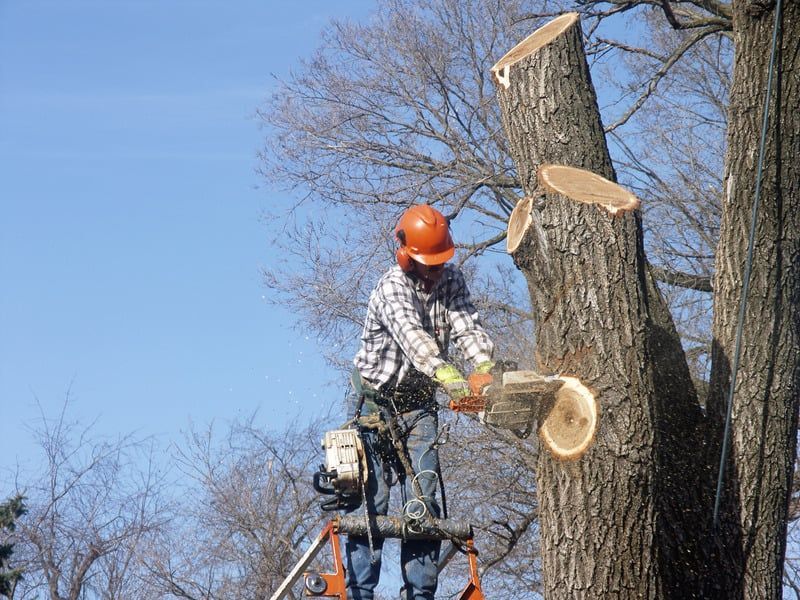
Climbing trees with chainsaws is genuinely dangerous work. DIY pruning is one of the leading causes of homeowner injuries each year, and improper cuts can permanently damage valuable trees. The investment in a professional usually pays for itself many times over.

How Augusta Tree Service Pros Can Help

At Augusta Tree Service Pros, we provide complete tree pruning services tailored to the unique needs of Augusta-area properties. Our team understands the local tree species, climate, and storm patterns that affect tree health throughout the year.

Our pruning services include:

  • Structural pruning for young and developing trees
  • Crown thinning, raising, and reduction for mature trees
  • Deadwood removal to reduce storm risk and improve appearance
  • Storm damage cleanup and corrective pruning
  • Routine maintenance pruning to keep trees healthy long-term
  • Property-wide tree assessments to identify pruning priorities

We work with certified arborists and use proper techniques on every job, so your trees stay healthy, safe, and beautiful for years to come.

Conclusion

Augusta's fast-growing trees are an incredible asset—but they need consistent care to stay safe and structurally sound. Regular pruning improves tree health, reduces storm damage, protects your property, and extends the lifespan of your most valuable trees.

Skipping pruning or hiring untrained crews can lead to bigger problems down the road, from disease and decay to falling limbs and emergency removals. Working with a professional tree service ensures the job is done right the first time.

If it's been more than a year since your trees were last evaluated, now is the time to act. Contact Augusta Tree Service Pros today for a professional pruning assessment and keep your trees—and your property—in their best possible shape.
April 21, 2026
If you've ever searched for tree removal pricing, you've probably noticed how wide the range can be. One company quotes $400, another quotes $2,500 for what seems like the same tree. So what's actually behind those numbers? And what should an Augusta homeowner really expect to pay for tree removal? The honest answer is that tree removal pricing depends on a number of real factors—tree size, location, accessibility, condition, and the additional services you need. In this guide, we'll break down what drives the cost of tree removal in Augusta, GA, what a fair price looks like, and how to avoid the common pitfalls that lead to either overpaying or hiring the wrong crew. Average Tree Removal Costs in Augusta GA While every job is different, here's a general range of what Augusta homeowners typically pay for tree removal: Small trees (up to 30 feet): $200–$500 Medium trees (30–60 feet): $500–$1,200 Large trees (60–80 feet): $1,200–$2,000 Very large trees (80+ feet): $2,000–$3,500+ Emergency removals: Premium pricing, often 1.5–2x standard rates These are general ranges and shouldn't be treated as exact quotes. The actual price for your specific tree depends heavily on the conditions of the job. A 60-foot pine in an open backyard is a completely different job from a 60-foot oak hanging over a roof and power line. What Factors Affect Tree Removal Cost Several factors determine where a specific job falls within these ranges. Understanding them helps you evaluate quotes more accurately and ask the right questions. 1. Tree Size and Height Size is the biggest single factor. Larger trees require more time, more equipment, more crew members, and more disposal volume. Height, trunk diameter, and canopy spread all play into the final price. A tall, narrow pine is typically easier (and cheaper) to remove than a wide-spreading oak of similar height, even though they may seem comparable in size. 2. Tree Species Different species present different challenges. In the Augusta area: Pines are generally faster to remove due to softer wood and predictable structure. Oaks have dense, heavy wood and wide canopies that require more careful sectioning. Sweetgums and pecans can be tricky because of brittle limbs and complex branching. Magnolias and cedars are dense and slow to cut, often raising the price. Crews factor species into their estimates based on how long the work will take and how heavy the disposal load will be. 3. Location and Accessibility Where the tree is located matters as much as its size. Key questions a crew will ask: Can a truck or crane reach the tree? Is the tree close to a structure, fence, or power line? Are there obstacles like landscaping, pools, or driveways nearby? How far does debris need to be carried for removal? A tree in the middle of an open yard is straightforward. A tree wedged between a house, fence, and shed requires careful rigging and significantly more time, which raises the price. 4. Tree Condition A healthy, structurally sound tree is actually easier (and safer) to remove than a dead, leaning, or damaged tree. Hazardous trees require extra rigging, safety precautions, and sometimes specialized equipment, which adds to the cost. If a tree is at risk of falling unpredictably, expect a higher quote—and consider yourself fortunate the crew is being thorough. 5. Equipment Required Some jobs can be handled with chainsaws and a chipper. Others require: Bucket trucks for safe access to upper canopy Cranes for very large trees or tight spaces Stump grinders for stump removal after the tree is down Heavy hauling equipment for large debris loads Each piece of equipment adds to the job cost, but it's also what keeps the work safe and efficient. 6. Stump Removal Tree removal typically refers to taking the tree down and hauling away the debris. The stump is usually left behind unless you specifically request removal. Stump grinding in Augusta typically runs: Small stumps: $75–$150 Medium stumps: $150–$300 Large stumps: $300–$500+ Some companies offer stump grinding as a bundled discount when included with tree removal, which is usually the most cost-effective approach. 7. Emergency vs. Scheduled Service Emergency removals—such as after a storm or when a tree has already fallen on a structure—come with a premium. Crews drop other work, mobilize quickly, and often work in difficult conditions. Expect to pay 50–100% more than standard rates for true emergencies. If you can plan ahead and schedule removal during normal business hours, you'll save significantly. 8. Permits and Local Regulations Some Augusta-area properties—particularly in HOAs or protected zones—may require permits before tree removal. Permit fees are usually modest, but the process can add time to your project. A reputable tree service will know what's required and help guide you through it. What's Usually Included in a Tree Removal Quote When you receive a quote, make sure you understand exactly what's covered. A typical full-service tree removal quote in Augusta should include: Pre-job assessment and removal planning Felling or sectional removal of the tree Lowering of limbs and trunk sections using ropes, rigging, or crane Cutting the trunk into manageable pieces Hauling away of all debris Basic cleanup of the work area Insurance coverage for the crew and your property Items that often cost extra: Stump grinding or full stump removal Hauling away of wood chips (sometimes left on-site for free) Repair of lawn or landscape disturbed during the work Permit fees Work outside of normal business hours Always ask for a written quote that itemizes what's included. Vague verbal estimates often lead to surprises on the final bill. Red Flags to Watch Out For Tree removal pricing varies, but certain warning signs should make you walk away from a quote. Unusually low prices. If one quote is dramatically below the others, the company may not be properly insured, may cut corners on safety, or may not haul away debris. The "cheap" job often becomes expensive when something goes wrong. Door-to-door solicitors after storms. After major storms, traveling crews often appear in affected neighborhoods. Many are unlicensed, uninsured, and gone the next day. Stick with established local companies. No written estimate. A reputable company will always provide a written quote outlining the scope of work and price. Avoid anyone who insists on verbal-only agreements. Demands for full payment upfront. A modest deposit is sometimes reasonable for large jobs, but no legitimate tree service requires 100% payment before any work begins. No proof of insurance. Tree work is dangerous. If a worker is injured on your property or your home is damaged, you could be held liable if the company isn't properly insured. Always ask for current proof of liability and workers' comp insurance. Pressure to decide immediately. Aggressive sales tactics or claims that "the price is only good today" are red flags. A trustworthy company gives you time to make an informed decision. How to Get an Accurate Quote The best way to know what your tree removal will actually cost is to have a professional inspect it in person. Photos and phone descriptions can only get you so close—an in-person assessment lets the crew identify the real factors that affect the price. Tips for getting accurate quotes: Request quotes from 2–3 local, established companies Make sure each quote covers the same scope of work Ask about insurance, certifications, and references Find out who handles cleanup and debris removal Confirm timing, payment terms, and warranty (if any) The lowest quote isn't always the best value. Look at the full picture: experience, insurance, equipment, professionalism, and what's actually included. Why Investing in Quality Tree Removal Pays Off Tree removal is one of those jobs where cutting corners can cost you far more in the long run. A poorly executed removal can damage your home, kill nearby plants, leave behind hazards, or even injure workers—all situations that can lead to costly repairs, lawsuits, or liability claims. A qualified, insured, experienced crew costs a bit more upfront, but you're paying for: Safe, professional work Proper equipment and techniques Insurance protection for your property Cleanup and disposal Peace of mind that the job is done right When a tree is removed correctly, you forget about it. When it's done wrong, you remember it for years. How Augusta Tree Service Pros Handles Pricing At Augusta Tree Service Pros, we believe in transparent, honest pricing. Every quote we provide is based on a thorough on-site assessment, with no hidden fees or last-minute surprises. What you can expect from us: Free, no-obligation estimates on your property Itemized written quotes so you know exactly what's included Fair, competitive pricing based on the actual scope of the job Fully insured crews with the right equipment for any size tree Complete cleanup and debris removal included as standard Optional stump grinding at a bundled rate Whether you're dealing with a single problem tree or a multi-tree project, we'll give you a clear, accurate price and explain every part of the process. Conclusion Tree removal costs in Augusta vary based on size, species, location, condition, and the additional services you need. Most homeowners can expect to pay somewhere between $200 and $2,000 for a typical removal, with emergency jobs and very large trees running higher. The most important thing isn't finding the cheapest quote—it's finding a qualified, insured, experienced tree service that gives you a fair price for safe, professional work. The right crew protects your home, your property, and your investment. If you have a tree that needs to come down, contact Augusta Tree Service Pros for a free, no-obligation estimate. We'll inspect the tree, walk you through your options, and give you a transparent price you can count on—so you can make the right decision for your property with confidence.
March 31, 2026
How to Prepare Your Trees for Hurricane Season in Augusta Hurricane season in Augusta doesn't always bring direct hits, but the region sits close enough to the Atlantic and Gulf to feel the effects of major storms moving inland. Heavy rainfall, sustained winds, and saturated soil are a dangerous combination for trees—and for the homes, vehicles, and power lines underneath them. Preparing your trees before storm season is one of the most effective ways to protect your property and avoid costly emergency calls. In this guide, we'll walk you through what hurricane season looks like for Augusta homeowners, the warning signs to look for on your property, and the steps a professional tree service can take to reduce your risk before a storm hits. Why Hurricane Season Is a Real Concern in Augusta While Augusta is well inland from the coast, the city has experienced significant tree damage from past tropical systems. Hurricanes weaken as they move inland, but the storms still bring: Sustained winds of 40–70 mph capable of toppling weak or compromised trees Heavy, prolonged rainfall that saturates Georgia's clay-heavy soil Tornadic activity spun off by the outer bands of tropical systems Lightning strikes that can split trunks and damage root systems Augusta's tree canopy includes a high concentration of pines, oaks, sweetgums, and pecans—species that grow quickly and tall, but can also be vulnerable to wind damage when not properly maintained. The combination of fast growth, shallow root zones in clay soil, and severe weather makes pre-storm preparation essential. Step 1: Schedule a Pre-Season Tree Inspection The single most important step is having a certified arborist inspect your trees before hurricane season begins. A professional inspection identifies hidden risks that homeowners often miss. During an inspection, an arborist will check for: Dead or dying limbs that could break off in high winds Cracked, split, or hollow trunks Diseased or insect-infested trees Trees leaning toward structures, fences, or power lines Exposed, damaged, or decaying root systems Co-dominant stems with weak attachment points Catching these problems early gives you time to act—whether that means pruning, cabling, or full removal—before a storm forces an emergency response. Step 2: Prune Weak and Hazardous Branches Strategic pruning is one of the most effective ways to reduce storm damage. Properly pruned trees allow wind to pass through the canopy rather than acting as a sail. Key pruning priorities before storm season: Remove deadwood: Dead branches are brittle and break easily, even in moderate winds. Thin the canopy: Selective thinning reduces wind resistance without harming the tree's structure. Eliminate crossing or rubbing branches: These weaken the tree and create entry points for disease. Trim branches over rooflines, driveways, and power lines: Even healthy branches become projectiles in hurricane-force winds. Raise the canopy where appropriate: Removing lower limbs reduces leverage and stress on the trunk. It's important to note that improper pruning—such as topping or over-thinning—can actually make a tree more vulnerable to storm damage. Always work with a qualified professional who understands proper tree biology and pruning techniques. Step 3: Identify and Remove High-Risk Trees Some trees can't be saved with pruning alone. If a tree is structurally compromised, it's safer—and often more affordable—to remove it before a storm than to deal with the aftermath of a fall. Signs a tree should be removed before hurricane season: The tree is dead or more than 50% damaged The trunk is severely cracked, split, or hollow Major roots are exposed, decayed, or have been cut The tree is leaning toward a home, garage, or driveway Large branches have already broken off in past storms Mushrooms or fungal growth are visible at the base Removing a hazardous tree before storm season is far less expensive and disruptive than emergency removal after a tree falls on your house. Insurance may cover storm damage in some cases, but the stress, repairs, and time without power are still significant. Step 4: Address Root Health and Soil Conditions A tree's stability depends heavily on its root system, and Augusta's clay-heavy soil presents unique challenges. When heavy rain saturates clay soil, it becomes soft and loses its grip on tree roots—a major factor in why healthy-looking trees sometimes fall during hurricanes. Steps to support healthy roots before storm season: Mulch properly: Apply 2–4 inches of mulch around the base of trees, keeping it away from the trunk. Mulch helps regulate soil moisture and protect roots. Avoid soil compaction: Heavy equipment, parked vehicles, and foot traffic compact soil and stress roots. Keep these activities away from tree drip lines. Watch for grade changes: Adding or removing soil around a tree's base can suffocate or expose roots. Avoid landscaping changes near mature trees. Inspect for root rot: Mushrooms, soft soil, or sinkholes near the base of a tree may indicate root decay—a serious stability risk. If you've recently had construction, landscaping, or grading work done near established trees, have them inspected before hurricane season. Root damage often doesn't show above ground until a storm exposes the problem. Step 5: Secure Trees with Cabling or Bracing When Needed For valuable or mature trees with structural weaknesses, professional cabling and bracing can provide added support. These systems redistribute weight and reinforce weak branch unions, helping trees withstand high winds. Cabling and bracing should only be installed by qualified professionals. Improperly placed hardware can damage the tree and create new failure points. A certified arborist can evaluate whether your tree is a candidate for support systems and install them correctly. Step 6: Clear Debris and Prepare the Surrounding Area Even well-maintained trees can drop branches and leaves during a hurricane. Reducing clutter around your property minimizes the damage debris can cause. Pre-storm cleanup checklist: Pick up loose branches, sticks, and yard debris Trim shrubs and vegetation near windows and AC units Clean gutters and downspouts to handle heavy rainfall Secure or store outdoor furniture, planters, and decorations Move vehicles out from under large trees if possible These small steps go a long way toward reducing wind-driven damage during a storm. Step 7: Document Your Trees for Insurance Purposes Before hurricane season, take photos of your trees and surrounding property. This documentation can be invaluable if you need to file an insurance claim after a storm. What to document: Wide shots showing the location of each major tree Close-ups of the trunk, canopy, and base Photos of any existing damage or known issues Receipts or records of recent tree maintenance Keep these records in a safe digital location, such as cloud storage, so they're accessible even if your home is damaged. When to Call Augusta Tree Service Pros The best time to prepare your trees for hurricane season is well before the first storm forms—ideally in late winter or early spring. Waiting until a storm is in the forecast often means longer wait times, higher costs, and fewer scheduling options. Augusta Tree Service Pros provides: Pre-season tree inspections by experienced professionals Strategic pruning and canopy thinning to reduce wind resistance Removal of hazardous, dead, or diseased trees before storms hit 24/7 emergency response when storms cause unexpected damage Stump grinding and property cleanup after removal Whether you're concerned about a single problem tree or want a full property assessment, our team has the experience and equipment to keep your property storm-ready. Conclusion Hurricane season in Augusta isn't something to take lightly. Even storms that weaken before reaching Georgia can bring down trees, damage homes, and cause weeks of disruption. The good news is that most storm-related tree damage is preventable with proper preparation. By scheduling an inspection, pruning strategically, removing high-risk trees, supporting root health, and clearing debris, you significantly reduce the chances of a tree-related emergency on your property. And when storms do hit, you'll have peace of mind knowing your trees are as prepared as possible. Don't wait until the forecast shows a hurricane heading your way. Contact Augusta Tree Service Pros today to schedule a pre-season tree inspection and protect your home, family, and property before the next storm arrives.
March 28, 2026
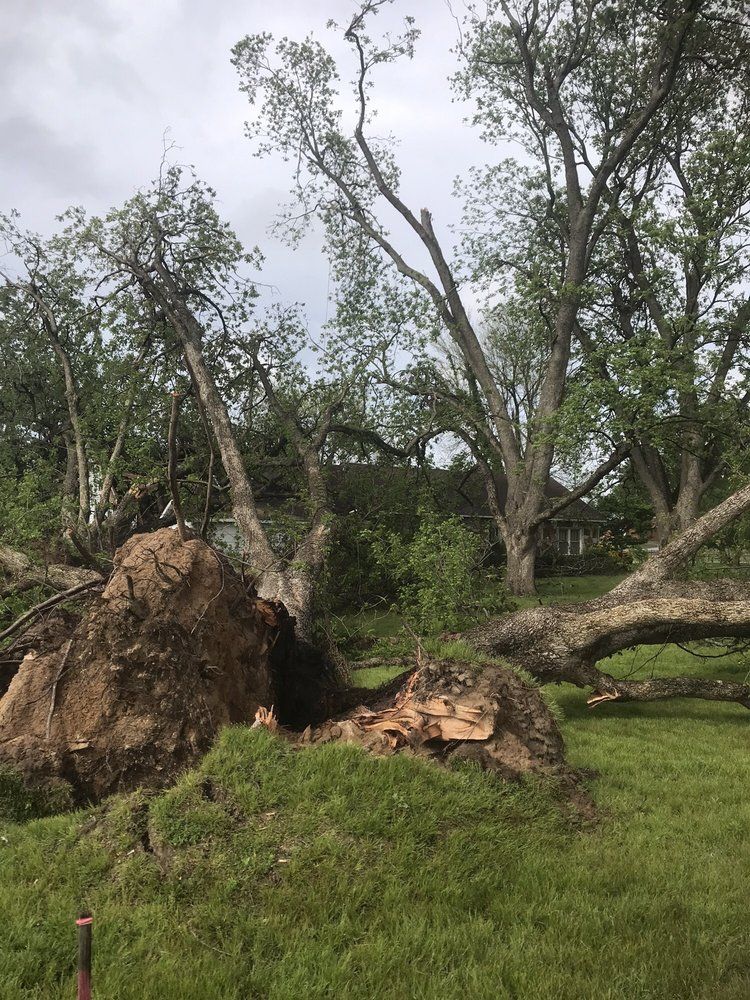
A fallen tree on your property is more than just an eyesore—it can be a serious hazard to your home, vehicles, landscaping, and family. In Augusta, GA, sudden storms, heavy rains, and strong winds make tree falls a common risk, especially for older or damaged trees. Knowing exactly what to do after a tree falls can help protect your property, reduce stress, and ensure safe removal. In this guide, we’ll walk you through the steps to take immediately after a tree fall, when to call professionals, and how Augusta Tree Service Pros can help. Step 1: Ensure Safety First The first and most important priority after a tree falls is safety. Fallen trees can create numerous hazards, including: Live electrical wires: Trees can bring down power lines, creating a deadly risk of electrocution. Structural damage: Roofs, fences, garages, and vehicles can be crushed or compromised. Hidden hazards: Broken branches, unstable tree trunks, and debris can cause injury. Action Steps: Keep everyone, including pets, away from the area. Avoid touching fallen trees near electrical wires. Do not attempt to move the tree yourself if it is large or entangled with structures. Call emergency services if there is immediate danger, such as a downed power line. Step 2: Assess the Damage Once safety is ensured, take a careful look at the damage. This step is essential for insurance purposes and helps professionals plan removal efficiently. Document the Scene: Take clear photos or videos of the fallen tree, damaged property, and surrounding areas. Inspect Structures: Check your home, garage, fences, and other structures for visible damage. Check for Secondary Hazards: Look for broken utility lines, gas leaks, or areas where the tree may still shift. Proper documentation can simplify insurance claims and ensures the tree removal company has a clear understanding of the situation before arriving. Step 3: Contact Your Insurance Company Fallen trees can lead to costly repairs, so notifying your insurance provider promptly is critical. Homeowners Insurance: Most policies cover damage caused by falling trees due to storms or natural events. Provide Documentation: Share photos, videos, and a written description of the damage. Ask About Coverage: Confirm what services are covered, including tree removal, structural repairs, and cleanup. Having insurance involvement early prevents surprises and ensures that the removal process is financially manageable. Step 4: Call a Professional Tree Service Attempting to remove a fallen tree on your own is extremely risky. Large trees can weigh several tons, and improper removal can worsen property damage or cause serious injury. Why Hire Augusta Tree Service Pros Certified Arborists: Professionals can assess the tree’s condition, identify risks, and safely remove it. Specialized Equipment: Cranes, chainsaws, and heavy machinery allow safe handling of large or awkward trees. Emergency Response: Fast removal is essential if the tree blocks access to your home or threatens other structures. A professional team ensures that the tree is removed efficiently and safely, minimizing further damage. Step 5: Understand the Removal Process When a tree service arrives, they will follow a structured removal process: Assessment: The team evaluates the tree, its weight, points of tension, and the surrounding environment. Planning: A removal strategy is developed to avoid damage to structures and landscaping. Sectional Removal: Large trees are often cut into smaller sections for safer handling. Cranes and Rigging: For particularly large or precarious trees, cranes and rigging systems may be used. Debris Cleanup: Stumps, branches, and logs are removed or ground as requested by the homeowner. Understanding these steps helps homeowners feel prepared and ensures realistic expectations during removal. Step 6: Consider Stump Removal and Property Restoration After a fallen tree is removed, the remaining stump can present additional hazards: Trip Hazards: Stumps can injure family members or guests if left in your yard. Pest Attraction: Termites and other insects can be drawn to decaying stumps. Lawn Damage: Stumps can interfere with landscaping and future planting. Professional services can grind or fully remove stumps, restoring your yard’s safety and aesthetics. Additionally, any damaged structures, fences, or landscaping should be repaired to prevent further issues. Step 7: Prevent Future Tree Falls Preventing future tree hazards is just as important as addressing the current situation. Augusta homeowners can take several steps: Regular Inspections: Hire certified arborists to assess your trees’ health annually. Pruning: Remove dead or overhanging branches to reduce the risk of storm damage. Soil Care: Ensure proper watering and mulch management to maintain healthy roots. Remove Hazardous Trees: Trees that are leaning, diseased, or have extensive root damage should be removed before storm season. Proactive care reduces the likelihood of tree falls and minimizes potential property damage. Emergency Tree Services in Augusta GA Augusta Tree Service Pros specializes in emergency tree services, offering: 24/7 Response: Quick response times when a tree falls unexpectedly. Storm Damage Expertise: Knowledge of the local environment, including high-risk tree species. Full-Service Solutions: Tree removal, stump grinding, and property restoration. Having a trusted emergency tree service on call can make all the difference when storms hit, providing peace of mind for homeowners. Safety Reminders for Homeowners Never try to cut or remove a large fallen tree yourself. Avoid areas near downed power lines. Keep children and pets away from the scene. Document everything for insurance claims. Trust certified professionals for safe, effective removal. These precautions protect your family and ensure that the tree removal process is handled efficiently. Conclusion A fallen tree can be a stressful and dangerous event for Augusta homeowners, but knowing the right steps to take can prevent injuries, further damage, and costly emergency services. Ensuring safety, documenting the damage, contacting your insurance company, and hiring a professional tree removal service are all critical actions to take after a tree falls. Augusta Tree Service Pros has the experience, equipment, and certified arborists to handle fallen trees safely, whether it’s storm-related or due to age, disease, or structural instability. By acting quickly and responsibly, you can protect your home, family, and property—and restore your yard to a safe, beautiful state.
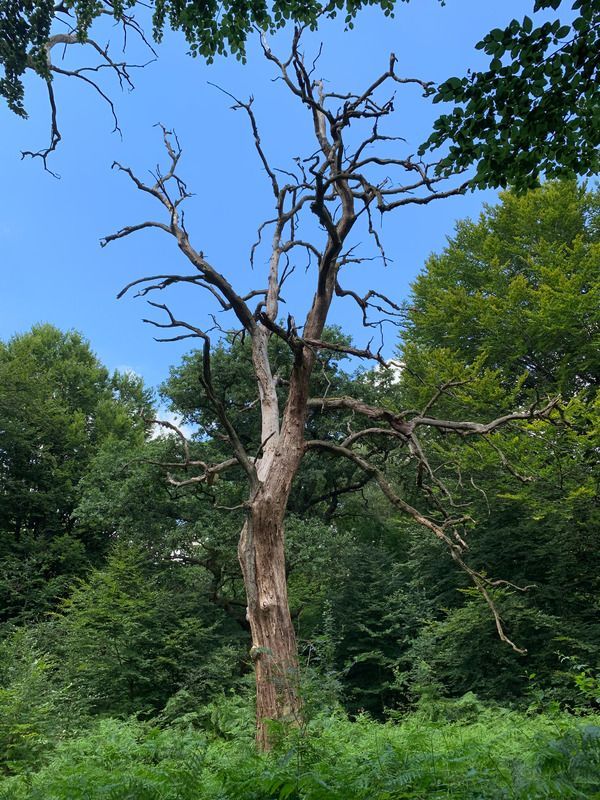
dead big tree with many branches and no leaves
March 27, 2026
1. Dead or Dying Trees Dead trees are perhaps the most obvious candidates for removal. Signs of a dying tree include: Lack of leaves during the growing season Cracked or peeling bark Fungal growth at the base or on the trunk Branches that snap easily Dead trees are especially dangerous during storms because their weakened structure makes them prone to falling. Even a moderate wind gust can bring down a dead tree, threatening homes, cars, and people. 2. Leaning Trees A tree that leans significantly, particularly toward your house or driveway, is a potential hazard. While some trees naturally grow at a slight angle, a sudden lean may indicate: Root damage or decay Soil erosion around the base Storm or wind damage A leaning tree near a structure should be assessed by a professional arborist to determine if removal is necessary before it becomes a liability. 3. Cracked or Splitting Trunks Cracks or splits in a tree trunk signal internal damage and structural weakness. Signs to watch for include: Vertical cracks running the length of the trunk Horizontal splits at branch junctions Hollow or soft areas in the wood These trees are at high risk of breaking during strong winds or storms and should be removed to prevent accidents. 4. Diseased Trees Certain diseases can compromise a tree’s stability, including: Oak Wilt Anthracnose Fungal infections like Ganoderma If a tree is visibly affected by disease, removal may be necessary to protect neighboring trees and reduce storm-related hazards. Consulting a certified arborist ensures proper diagnosis and treatment. 5. Extensive Root Damage Trees with exposed, damaged, or decayed roots are unstable and more likely to fall. Signs include: Soil heaving or cracks near the base Roots visible above the ground that appear brittle or rotten Mushrooms or fungal growth near the base Root problems often go unnoticed until a tree begins to lean or fall. Pre-storm assessment by professionals can identify these risks early. 6. Branches Overhanging Structures Even healthy trees can pose risks if branches hang over roofs, decks, or power lines. Storm winds can easily break these branches, leading to: Roof damage or punctures Clogged gutters Power outages or utility hazards Pruning can help, but if branches are large or the tree itself is unstable, full removal may be safer. 7. Trees That Have Survived Past Storm Damage Trees previously damaged by storms—broken limbs, split trunks, or large wounds—may have weakened structural integrity. Even if the tree has partially recovered, these hidden weaknesses increase the risk of falling during the next storm. Benefits of Hiring Professionals for Tree Removal in Augusta Tree removal is not a DIY project. Professionals bring knowledge, experience, and equipment to handle trees safely, especially in Augusta where fast-growing species and storm-prone conditions present unique challenges. Certified Arborists Hiring a certified arborist ensures proper evaluation and removal techniques. Certified professionals can: Assess tree health and structural integrity Recommend removal or pruning options Minimize risk to surrounding property and landscaping Specialized Equipment Large trees or those in tight spaces often require cranes or other heavy equipment. Professionals have the tools to remove trees safely and efficiently, avoiding damage to your home or yard. Liability and Insurance Professional tree services carry insurance, protecting you from liability in case of accidents during removal. Attempting removal yourself without experience or equipment can lead to costly injuries or property damage. Timing Your Tree Removal Before Storm Season In Augusta, storm season typically begins in late spring and can continue through summer and fall. Scheduling tree removal before storms hit ensures: Reduced risk of emergency situations More flexible scheduling Potential cost savings compared to emergency removal services Homeowners should plan inspections in early spring to identify at-risk trees and schedule removal in advance of major storms. Preventive Tips for Augusta Homeowners Regular Tree Inspections: Have a certified arborist inspect your trees annually for disease, root damage, or structural issues. Routine Pruning: Removing dead or overhanging branches reduces hazards and improves tree health. Mulch and Water Properly: Healthy trees with strong root systems are less likely to fall, but overwatering or poor soil management can weaken roots. Document Your Property: Take photos of your trees for insurance purposes before storms. Conclusion Tree removal is a critical step in protecting your Augusta property before storm season. Recognizing the signs of dead, diseased, leaning, or damaged trees can prevent costly repairs, injuries, and emergency situations. By hiring a professional tree service with certified arborists and specialized equipment, you ensure your property is safe, your trees are managed responsibly, and your home is storm-ready.  Don’t wait until the next storm hits—schedule a tree assessment today to protect your home, family, and property. Augusta Tree Service Pros has the experience, equipment, and expertise to safely handle tree removal, pruning, and emergency services throughout the Augusta, GA area.