How to Prepare Your Trees for Hurricane Season in Augusta
How to Prepare Your Trees for Hurricane Season in Augusta
Hurricane season in Augusta doesn't always bring direct hits, but the region sits close enough to the Atlantic and Gulf to feel the effects of major storms moving inland. Heavy rainfall, sustained winds, and saturated soil are a dangerous combination for trees—and for the homes, vehicles, and power lines underneath them. Preparing your trees before storm season is one of the most effective ways to protect your property and avoid costly emergency calls.
In this guide, we'll walk you through what hurricane season looks like for Augusta homeowners, the warning signs to look for on your property, and the steps a professional tree service can take to reduce your risk before a storm hits.
Why Hurricane Season Is a Real Concern in Augusta
While Augusta is well inland from the coast, the city has experienced significant tree damage from past tropical systems. Hurricanes weaken as they move inland, but the storms still bring:
- Sustained winds of 40–70 mph capable of toppling weak or compromised trees
- Heavy, prolonged rainfall that saturates Georgia's clay-heavy soil
- Tornadic activity spun off by the outer bands of tropical systems
- Lightning strikes that can split trunks and damage root systems
Augusta's tree canopy includes a high concentration of pines, oaks, sweetgums, and pecans—species that grow quickly and tall, but can also be vulnerable to wind damage when not properly maintained. The combination of fast growth, shallow root zones in clay soil, and severe weather makes pre-storm preparation essential.
Step 1: Schedule a Pre-Season Tree Inspection
The single most important step is having a certified arborist inspect your trees before hurricane season begins. A professional inspection identifies hidden risks that homeowners often miss.
During an inspection, an arborist will check for:
- Dead or dying limbs that could break off in high winds
- Cracked, split, or hollow trunks
- Diseased or insect-infested trees
- Trees leaning toward structures, fences, or power lines
- Exposed, damaged, or decaying root systems
- Co-dominant stems with weak attachment points
Catching these problems early gives you time to act—whether that means pruning, cabling, or full removal—before a storm forces an emergency response.
Step 2: Prune Weak and Hazardous Branches
Strategic pruning is one of the most effective ways to reduce storm damage. Properly pruned trees allow wind to pass through the canopy rather than acting as a sail.
Key pruning priorities before storm season:
- Remove deadwood: Dead branches are brittle and break easily, even in moderate winds.
- Thin the canopy: Selective thinning reduces wind resistance without harming the tree's structure.
- Eliminate crossing or rubbing branches: These weaken the tree and create entry points for disease.
- Trim branches over rooflines, driveways, and power lines: Even healthy branches become projectiles in hurricane-force winds.
- Raise the canopy where appropriate: Removing lower limbs reduces leverage and stress on the trunk.
It's important to note that improper pruning—such as topping or over-thinning—can actually make a tree more vulnerable to storm damage. Always work with a qualified professional who understands proper tree biology and pruning techniques.
Step 3: Identify and Remove High-Risk Trees
Some trees can't be saved with pruning alone. If a tree is structurally compromised, it's safer—and often more affordable—to remove it before a storm than to deal with the aftermath of a fall.
Signs a tree should be removed before hurricane season:
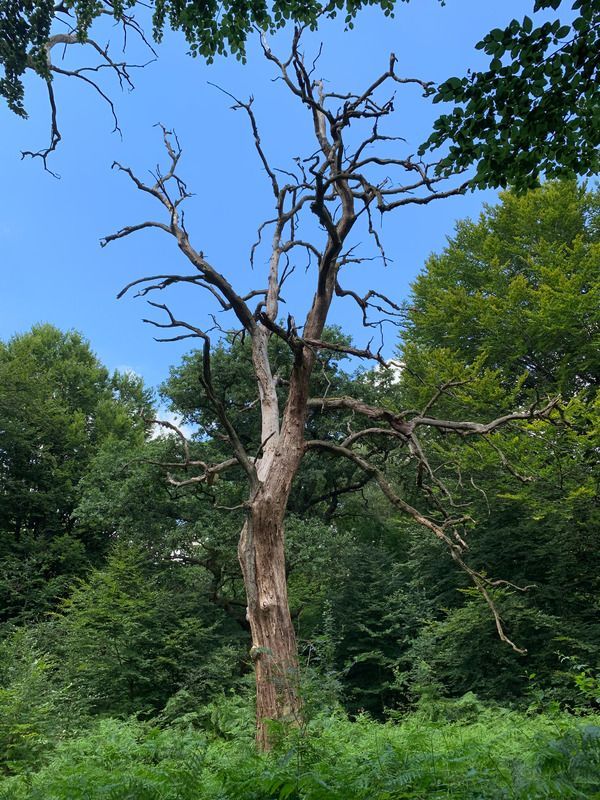
- The tree is dead or more than 50% damaged
- The trunk is severely cracked, split, or hollow
- Major roots are exposed, decayed, or have been cut
- The tree is leaning toward a home, garage, or driveway
- Large branches have already broken off in past storms
- Mushrooms or fungal growth are visible at the base
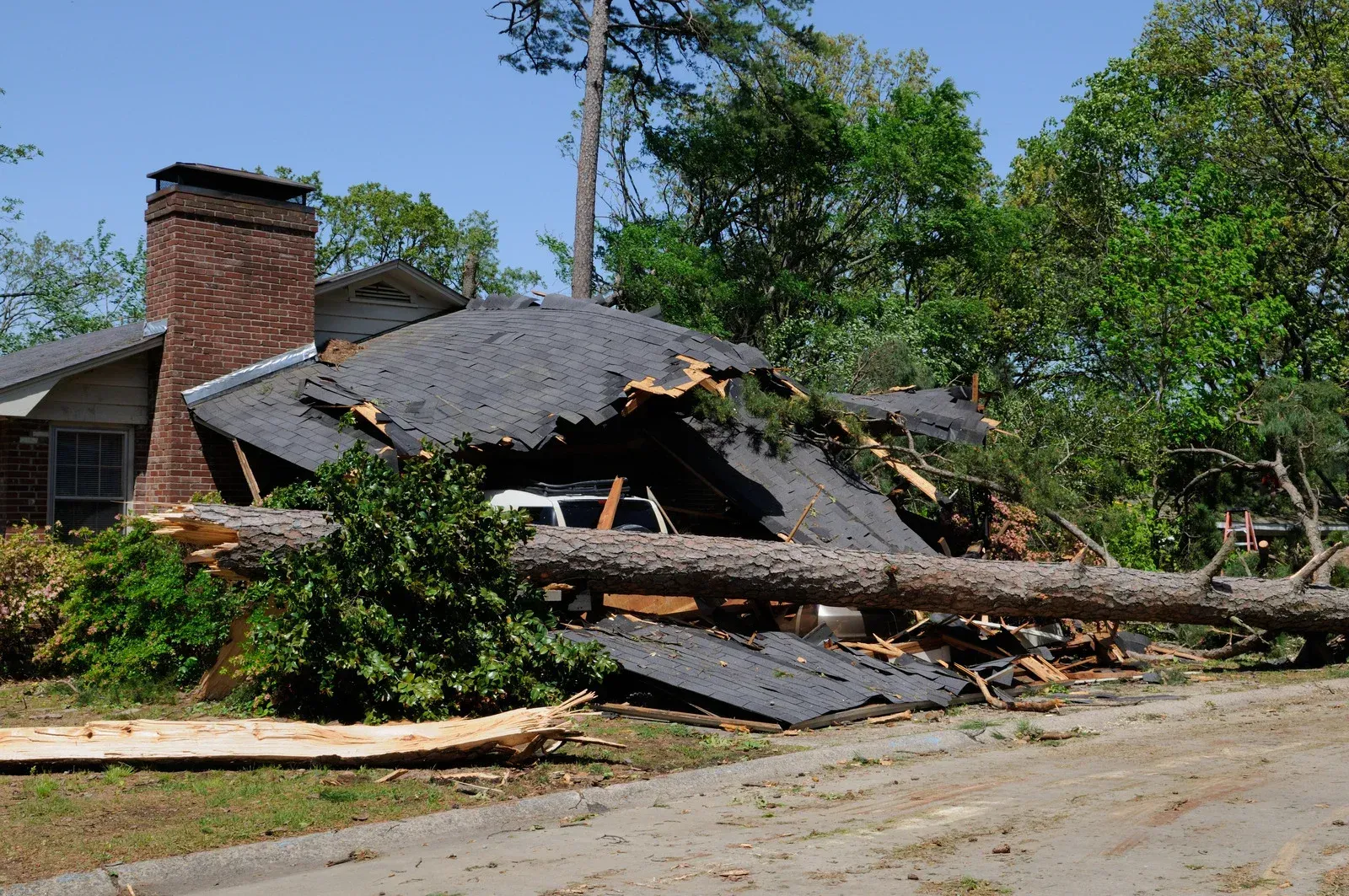
Removing a hazardous tree before storm season is far less expensive and disruptive than emergency removal after a tree falls on your house. Insurance may cover storm damage in some cases, but the stress, repairs, and time without power are still significant.
Step 4: Address Root Health and Soil Conditions
A tree's stability depends heavily on its root system, and Augusta's clay-heavy soil presents unique challenges. When heavy rain saturates clay soil, it becomes soft and loses its grip on tree roots—a major factor in why healthy-looking trees sometimes fall during hurricanes.
Steps to support healthy roots before storm season:
- Mulch properly: Apply 2–4 inches of mulch around the base of trees, keeping it away from the trunk. Mulch helps regulate soil moisture and protect roots.
- Avoid soil compaction: Heavy equipment, parked vehicles, and foot traffic compact soil and stress roots. Keep these activities away from tree drip lines.
- Watch for grade changes: Adding or removing soil around a tree's base can suffocate or expose roots. Avoid landscaping changes near mature trees.
- Inspect for root rot: Mushrooms, soft soil, or sinkholes near the base of a tree may indicate root decay—a serious stability risk.
If you've recently had construction, landscaping, or grading work done near established trees, have them inspected before hurricane season. Root damage often doesn't show above ground until a storm exposes the problem.
Step 5: Secure Trees with Cabling or Bracing When Needed
For valuable or mature trees with structural weaknesses, professional cabling and bracing can provide added support. These systems redistribute weight and reinforce weak branch unions, helping trees withstand high winds.
Cabling and bracing should only be installed by qualified professionals. Improperly placed hardware can damage the tree and create new failure points. A certified arborist can evaluate whether your tree is a candidate for support systems and install them correctly.
Step 6: Clear Debris and Prepare the Surrounding Area
Even well-maintained trees can drop branches and leaves during a hurricane. Reducing clutter around your property minimizes the damage debris can cause.
Pre-storm cleanup checklist:
- Pick up loose branches, sticks, and yard debris
- Trim shrubs and vegetation near windows and AC units
- Clean gutters and downspouts to handle heavy rainfall
- Secure or store outdoor furniture, planters, and decorations
- Move vehicles out from under large trees if possible
These small steps go a long way toward reducing wind-driven damage during a storm.
Step 7: Document Your Trees for Insurance Purposes
Before hurricane season, take photos of your trees and surrounding property. This documentation can be invaluable if you need to file an insurance claim after a storm.
What to document:
- Wide shots showing the location of each major tree
- Close-ups of the trunk, canopy, and base
- Photos of any existing damage or known issues
- Receipts or records of recent tree maintenance
Keep these records in a safe digital location, such as cloud storage, so they're accessible even if your home is damaged.
When to Call Augusta Tree Service Pros
The best time to prepare your trees for hurricane season is well before the first storm forms—ideally in late winter or early spring. Waiting until a storm is in the forecast often means longer wait times, higher costs, and fewer scheduling options.
Augusta Tree Service Pros provides:
- Pre-season tree inspections by experienced professionals
- Strategic pruning and canopy thinning to reduce wind resistance
- Removal of hazardous, dead, or diseased trees before storms hit
- 24/7 emergency response when storms cause unexpected damage
- Stump grinding and property cleanup after removal
Whether you're concerned about a single problem tree or want a full property assessment, our team has the experience and equipment to keep your property storm-ready.
Conclusion
Hurricane season in Augusta isn't something to take lightly. Even storms that weaken before reaching Georgia can bring down trees, damage homes, and cause weeks of disruption. The good news is that most storm-related tree damage is preventable with proper preparation.
By scheduling an inspection, pruning strategically, removing high-risk trees, supporting root health, and clearing debris, you significantly reduce the chances of a tree-related emergency on your property. And when storms do hit, you'll have peace of mind knowing your trees are as prepared as possible.
Don't wait until the forecast shows a hurricane heading your way. Contact Augusta Tree Service Pros today to schedule a pre-season tree inspection and protect your home, family, and property before the next storm arrives.